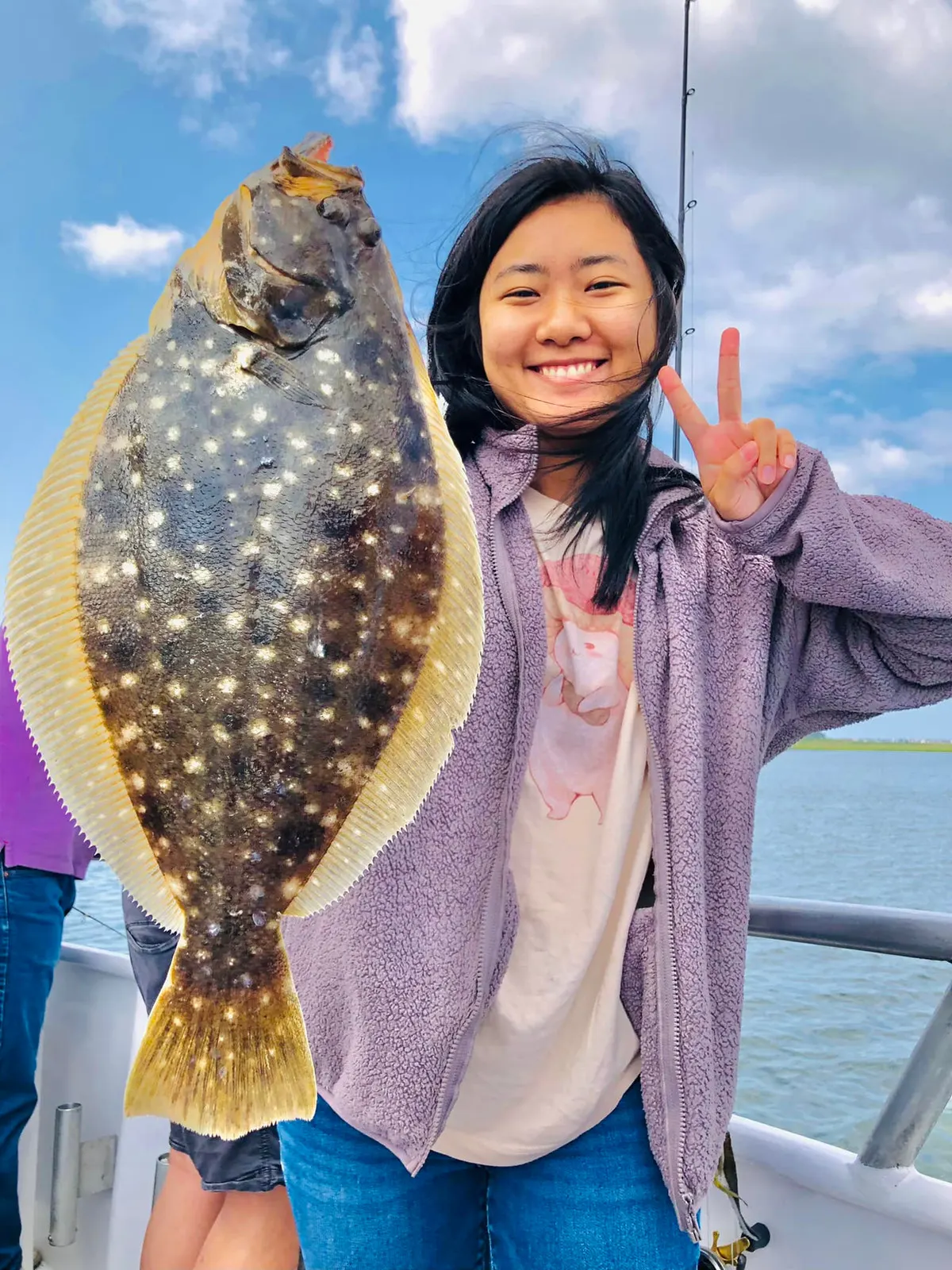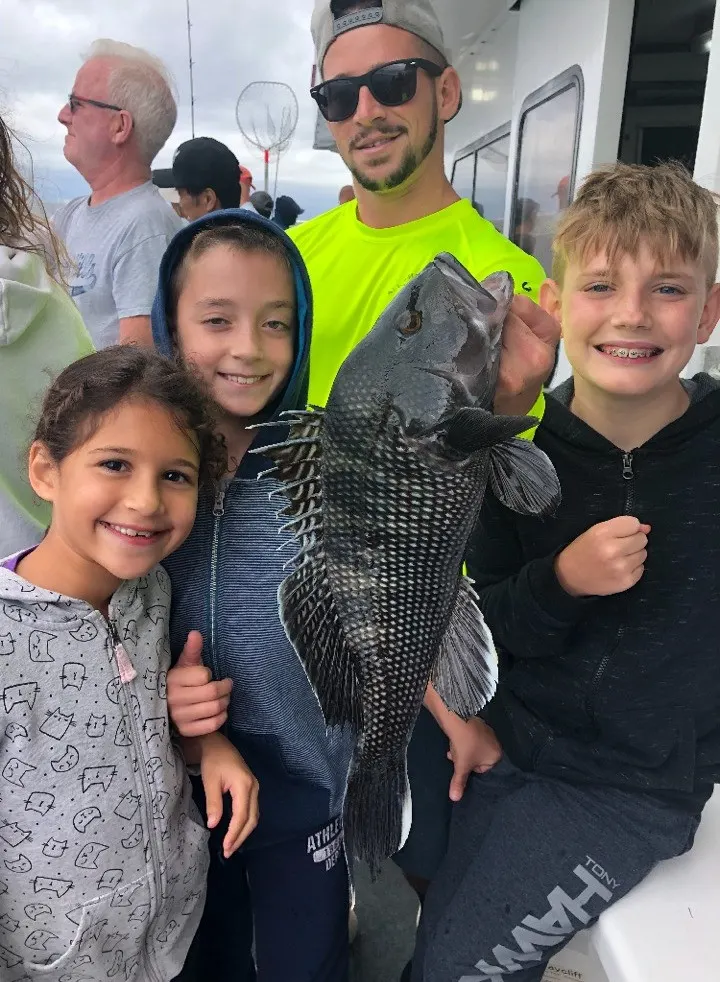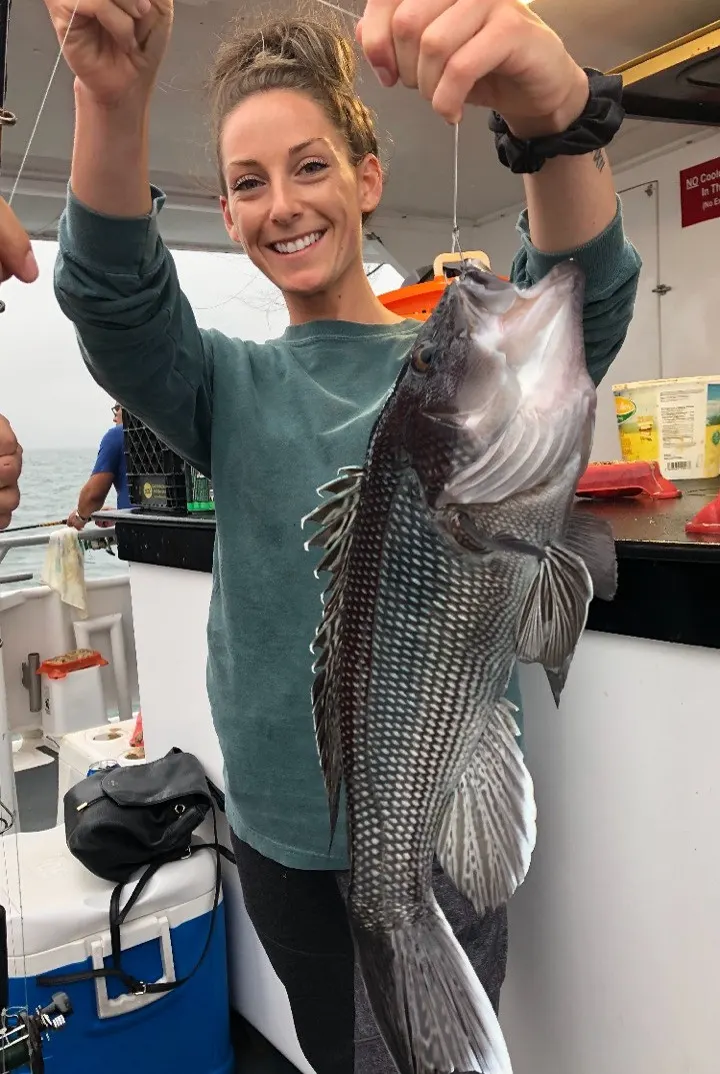
The best office conversations do not always happen around a conference table. A company outing on a fishing boat gives coworkers a shared purpose, fresh air, and plenty of room to talk without forcing awkward team-building exercises. Someone may land the first fish of the day, another may learn how to bait a hook, and the whole group gets a story that lasts longer than a catered lunch.
For teams in and around Long Island, a fishing trip can be an easy way to recognize employees, welcome new hires, thank clients, or simply give people a break from the usual routine. The key is planning the day around the people attending, not just the fishing.
Why a Fishing Boat Works for Company Groups
A boat outing creates a different kind of connection than a typical workplace event. People naturally pair up to watch lines, ask questions, take photos, and celebrate a catch. There is enough activity to keep the day moving, but there is no pressure for everyone to perform, compete, or make small talk for hours.
Fishing also works well because each person can participate at their own comfort level. Experienced anglers can focus on technique and the day’s target species. First-timers can get hands-on help from the crew. Guests who are more interested in the ride, the water, and spending time with colleagues can still feel included.
It is not the right fit for every company. A group looking for a formal presentation, a highly structured meeting, or a late-night party may be better served elsewhere. But for a relaxed daytime gathering with a clear shared activity, a fishing charter offers a practical balance of fun, conversation, and real participation.
Choose the Right Type of Company Outing on a Fishing Boat
The first decision is whether your group needs a private charter or would be comfortable joining a scheduled public trip. The right choice depends on group size, budget, timing, and how much privacy the event requires.
Private charter for a more focused event
A private charter gives your company the boat for its own group. This is usually the better choice for employee appreciation events, client outings, department celebrations, and groups that want to set their own tone. You can welcome everyone aboard together, recognize a milestone before departure, and let coworkers enjoy the trip without being separated among other passengers.
Private trips also make sense when your group includes several beginners. The crew can spend more time helping guests get comfortable, while experienced fishermen still have room to enjoy the trip. Ask early about available dates, departure times, group capacity, trip length, and what is included.
Scheduled trips for smaller teams
A smaller group may prefer tickets on a scheduled fishing trip. This can be a good option when the company is treating a few employees or when the event is informal and flexible. It may be more economical, but it does not offer the same privacy or control over the guest list and schedule.
If team bonding is the main goal, keep your group close together aboard the boat and set expectations before the trip. A simple plan to meet at the dock, take one group photo, and grab a meal together afterward can make a public trip feel like a complete company outing.
Plan Around Your People, Not Just the Date
A successful work outing starts with a realistic picture of who will attend. Do not assume everyone has fished before, owns outdoor clothing, or feels comfortable on a boat. That is not a problem when the trip is planned clearly. It becomes a problem only when guests feel unprepared.
Start by deciding what you want the event to accomplish. Is it a thank-you for a busy season? A way to bring two teams together? An informal client event? The answer affects the best group size, trip length, and level of structure.
Then share the basics early. Let guests know the departure location, arrival time, expected time on the water, and what clothing makes sense for the forecast. Comfortable layers, non-slip footwear, sunglasses, and sunscreen are common practical choices. Anyone concerned about motion sickness should plan ahead and speak with a medical professional about suitable options.
Keep the invitation simple and reassuring. Explain that fishing experience is not required and that instruction is available. This matters more than many organizers realize. People are far more likely to say yes when they know they will not have to bring rods, figure out tackle, or pretend they know what they are doing.
Make Beginners Feel Like They Belong
The quickest way to weaken a company outing is to let first-timers feel like spectators. Before the boat leaves, introduce the crew’s role and encourage guests to ask questions. A little guidance on holding a rod, dropping a line, and handling a catch can turn uncertainty into excitement within minutes.
At Super Hawk, private fishing trips are built to make participation straightforward, with rods, bait, and tackle included. That removes a major barrier for workplace groups. Instead of spending the morning sorting out gear, coworkers can focus on learning, fishing, and enjoying the day together.
It also helps to set the right tone among experienced anglers. Encourage them to share tips without taking over. The most memorable moments often come when a coworker lands a first fish with a little help from the person standing beside them.
Fishing can be unpredictable. Some guests may catch several fish, while others may spend more time watching, talking, and enjoying the ride. That is normal. Frame the trip as a shared experience rather than a contest, and people will measure the day by the laughs and stories as much as the catch.
Give the Day a Simple Shape
Company events do not need a packed agenda, especially on the water. A few thoughtful touchpoints can make the trip feel organized without turning it into another workday.
Plan for a short welcome at the dock or once everyone is aboard. Thank the group for coming, mention the reason for the outing, and introduce any guests or new employees. Keep it brief. People came to get out on the water, not listen to a speech.
During the trip, let fishing lead the schedule. A casual photo moment, a friendly recognition for a first catch, or a quick shout-out to the person who brought the best attitude can add personality without making anyone uncomfortable. Avoid prizes that make the event overly competitive unless your team genuinely enjoys that kind of energy.
After returning to the dock, consider extending the social time with a nearby meal or a casual gathering. This is optional, but it gives coworkers a chance to keep conversations going once the lines are in and the photos are being shared.
Handle the Details Before They Become Questions
The smoothest outings are the ones where guests know what to expect. Confirm the final headcount well before the trip, and ask the charter team about policies for food, beverages, coolers, parking, weather decisions, and any accessibility needs within your group. Every boat and event has its own operating details, so direct confirmation is better than assumptions.
If your company is paying for the event, decide in advance whether you are covering transportation, gratuity, food, or any post-trip plans. Clear communication prevents uncomfortable moments on the day of the outing.
It is also smart to have one point person from your company. That person can collect RSVP information, relay arrival details, and communicate any last-minute changes. The captain and crew should be focused on running a safe, enjoyable trip, while your organizer keeps the group informed.
Weather is another factor to respect. A good captain will make the call based on conditions and safety. Build a little flexibility into your planning, particularly if the outing is tied to a major company celebration. A backup date or alternate gathering plan can save everyone stress if a trip needs to be adjusted.
A Better Kind of Team Memory
The value of a fishing outing is not that everyone becomes an angler. It is that coworkers get to see one another outside their usual roles. The quiet accountant may be the first to volunteer for bait. The newest employee may land the fish everyone talks about. A manager may spend the afternoon helping a colleague who has never held a rod before.
That is what makes the day worth planning well. Give people clear information, a welcoming crew, and enough room to enjoy the water at their own pace. The best company outing on a fishing boat leaves your group with more than photos - it gives them a shared memory they will still be talking about back at work.